How Long Does It Take to Build a Paver Patio in North Carolina?
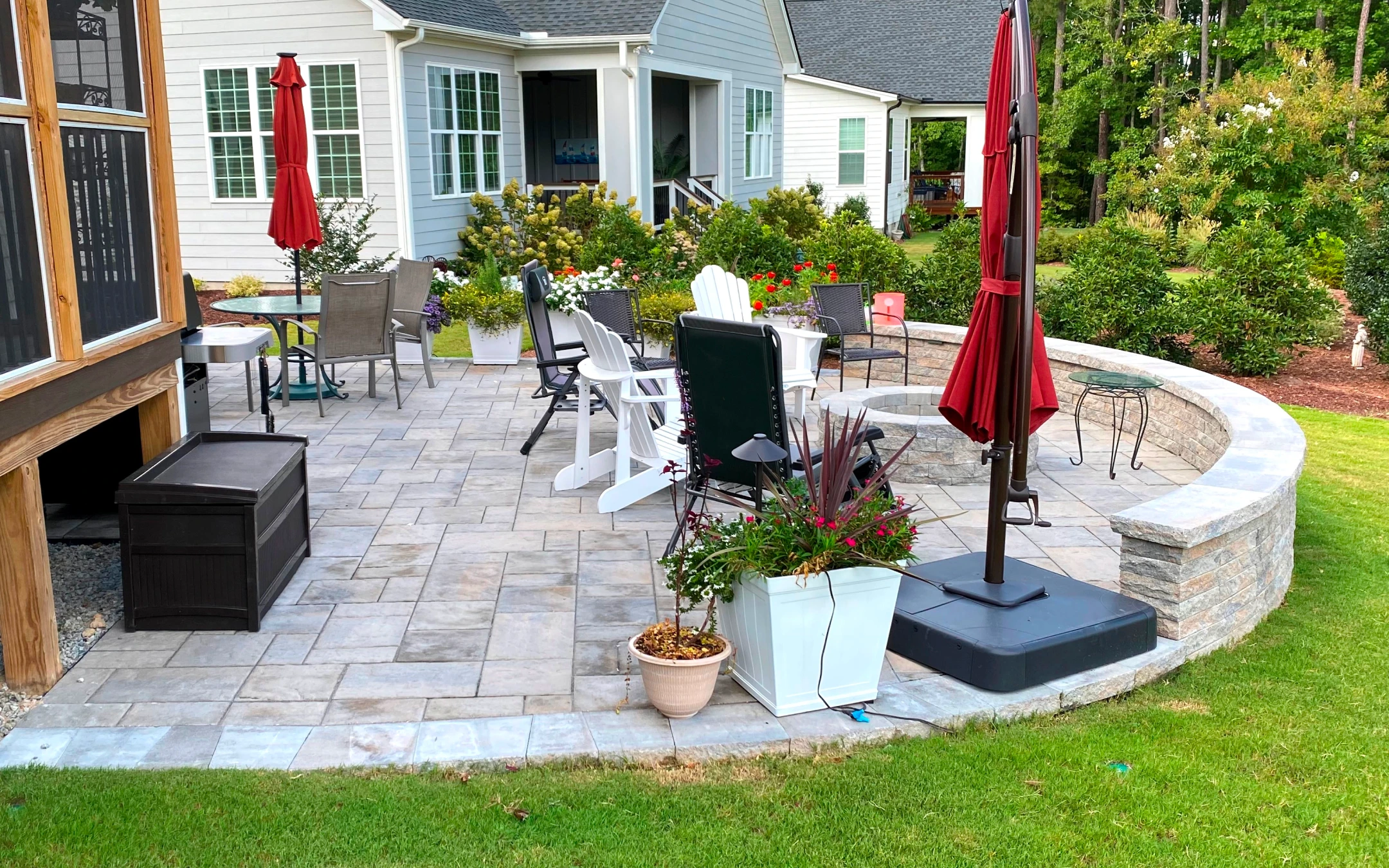
One of the biggest concerns homeowners have before starting a patio project is timeline.
The short answer:
Most paver patio projects take between 4 days and 2 weeks, depending on size, complexity, and weather conditions.
Here’s what actually determines how long a patio build takes in Cary, Raleigh, Apex, and Holly Springs.
The Typical Patio Timeline
While no two projects are identical, most follow a similar process:
1. Design and Planning
Before construction begins:
- Budget is established
- Layout is finalized
- HOA requirements are addressed
- Materials are selected
Clear planning at this stage prevents delays later.
2. Scheduling and Material Ordering
Once the contract is signed and a deposit is made:
- Materials are ordered
- Delivery is scheduled
- The build is placed on the calendar
This step can vary based on material availability and season.
The Construction Phase (What Actually Happens)
Grading and Slope Setup
Proper grading is critical.
A patio needs about a 2% slope to move water away without causing furniture to shift or feel uneven.
Too little slope leads to puddling.
Too much slope makes the patio uncomfortable to use.
Base Preparation
A professional base includes:
- Excavation
- Filter fabric
- Compacted crushed stone
- Concrete sand for final leveling
Mechanical compactors are used to ensure long-term stability.
Paver Installation
Once the base is ready:
- Pavers are set and aligned
- Patterns are carefully maintained
- Edge restraints are installed to lock everything in place
Polymeric Sand and Final Compaction
Polymeric sand is swept into the joints, compacted, and lightly misted.
When installed correctly, it:
- locks pavers together
- prevents weed growth
- creates a clean, finished look
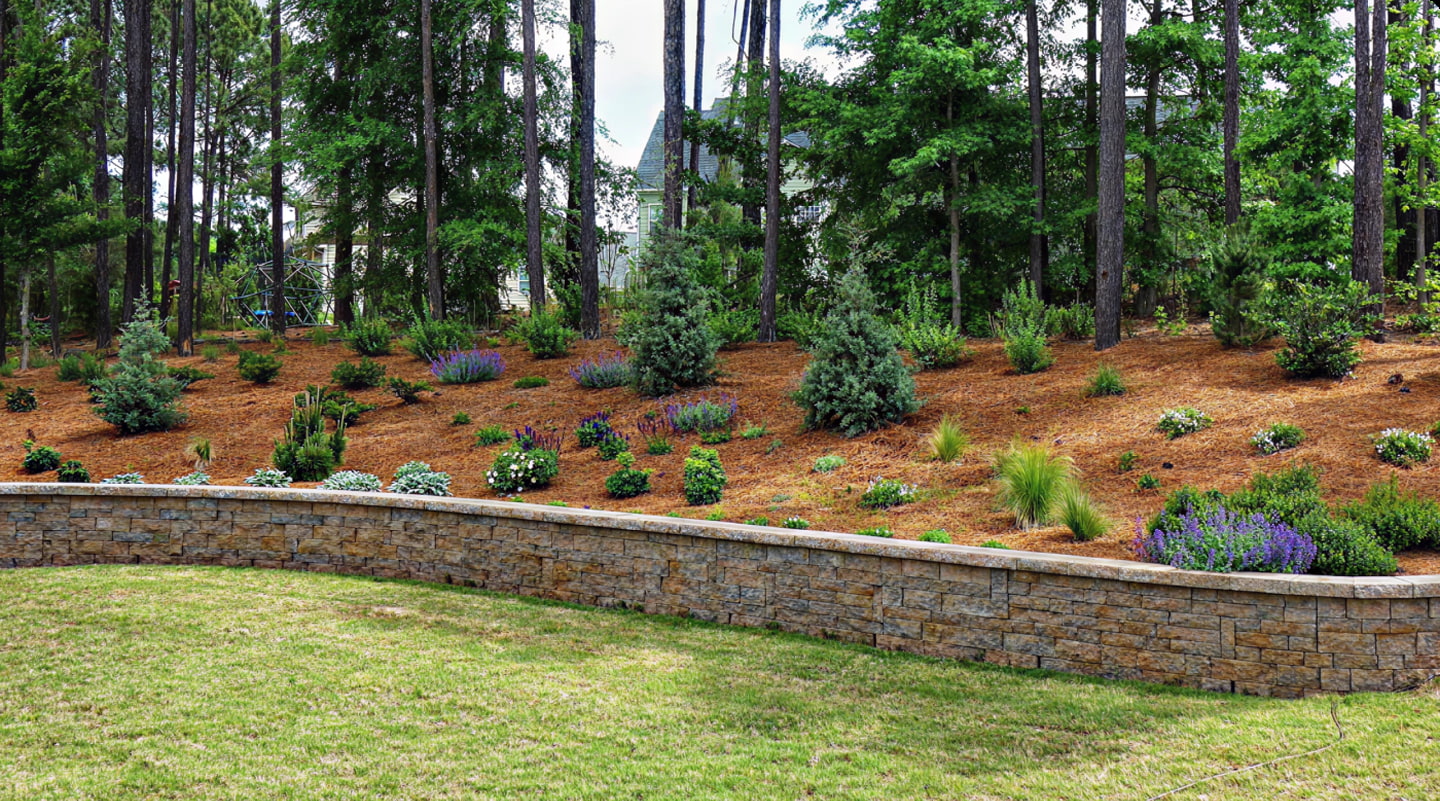
How Walls Affect the Timeline
Patios that include retaining or seating walls take longer.
Walls require:
- Proper geogrid placement
- Drainage behind the wall
- Compaction in lifts
- Inspections for walls over 3 feet tall
Skipping these steps leads to cracking, movement, or collapse over time.
Weather Considerations
Weather plays a real role in scheduling:
- Heavy rain can slow excavation and compaction
- Extended wet conditions may pause work
- Cold weather typically isn’t a problem for paver installs when handled correctly
This is why timelines are usually given as ranges rather than fixed dates.
Why Rushing a Patio Is a Bad Idea
The most common patio failures we see are caused by shortcuts:
- poor compaction
- rushed base prep
- skipped drainage
- inadequate wall reinforcement
A patio should be built for performance, not speed.
How to Choose the Right Contractor
The proof is in the work.
- Look for a strong project history
- Review real photos, not stock images
- Ask about base prep, drainage, and wall construction
- Make sure patios and landscaping are designed together, not separately
Final Thoughts on Patio Timelines
A great patio isn’t just about how it looks on day one.
It’s about how it functions and holds up year after year.
Taking the time to design it properly and build it correctly is what turns a backyard into a space that’s both beautiful and usable.
If you’re planning a patio in Cary, Raleigh, Apex, or Holly Springs, a clear design and realistic timeline are the foundation of a successful project.
Transform Your Outdoor Space into Your Dream Space Today
Contact us today